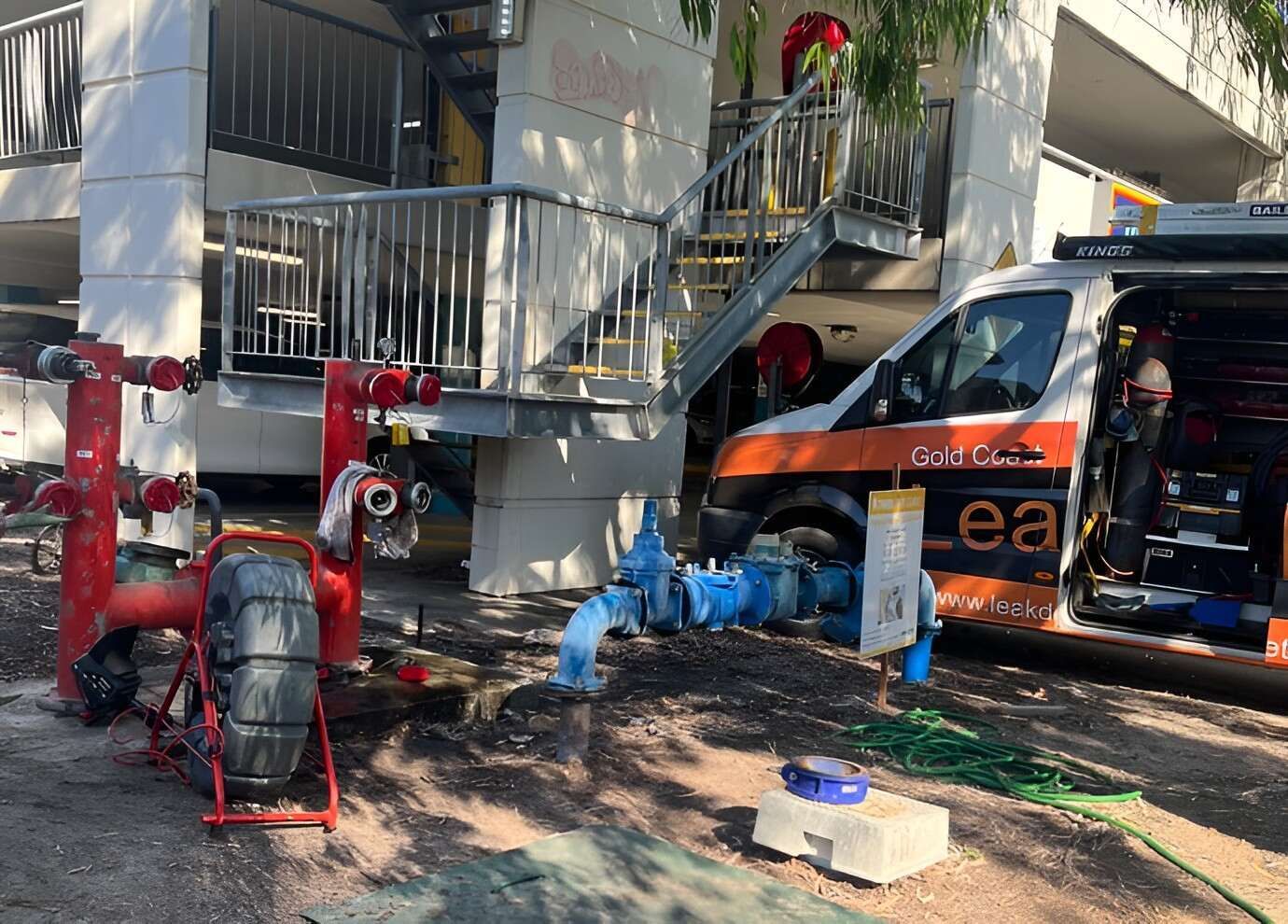
Leak Detection in Tweed Heads: Finding Hydrant and Fire Main Faults Before Your Annual Fire Safety Statement
A failed or borderline fire hydrant test can put an upcoming Annual Fire Safety Statement (AFSS) under pressure, especially when a leak is suspected beneath a driveway, car park or landscaped area. Early
leak detection in Tweed Heads helps building owners and facility managers identify where a fire main fault is, so the fire services contractor can plan the next steps before the due date.
What an AFSS Means for Tweed Heads Building Owners
An AFSS is an annual statement issued by or on behalf of a building owner. It confirms that the essential fire safety measures listed on the building’s Fire Safety Schedule have been assessed by an accredited practitioner (fire safety) and are capable of performing to the required standard, and that the building has been inspected. Fire hydrants may be one of those measures, depending on the building’s schedule.
For a Tweed Heads property, the NSW process applies: the owner provides the statement to Tweed Shire Council and Fire and Rescue NSW, and a copy of the statement and current fire safety schedule must be displayed in the building. An AFSS is not simply a record that a contractor visited; it depends on the required assessments and the condition of the scheduled measures. The Fire Safety Schedule identifies the measures and their required standards, so the practitioner’s assessment needs to be read against the building’s own schedule.
What Buildings Require an AFSS, and When Is It Due?
The requirement applies to buildings with a Fire Safety Schedule that lists essential fire safety measures. It does not mean every building automatically needs an AFSS. Many commercial, strata and government properties have a schedule, but the building’s own records determine what applies. Check the current schedule and previous statements to confirm the measures and who is responsible for coordinating assessment and lodgement. A building may also have a supplementary statement due for critical measures at intervals set out in its schedule.
For an existing building, the AFSS is generally due within 12 months of the previous statement. A new or altered building follows the timing linked to its fire safety certificate, so confirm the applicable date from the building’s records and Council notice. Council reminders are useful, but the owner remains responsible for lodging the statement by its due date. The accredited practitioner’s assessment also needs to be organised in time for the statement to be issued and submitted.
Why a Hydrant Test Can Hold Up an AFSS
A failed pressure test or a system that struggles to hold pressure needs investigation before the fire safety measure can be assessed with confidence. An underground leak in a hydrant line or fire main may be one cause, but the test result alone does not pinpoint the fault or prove what repair is needed. The fire services contractor and accredited practitioner will determine what further testing, repair and verification are appropriate for the system.
If the leak remains unresolved, it can delay the contractor’s work and make it harder for the practitioner to confirm that the scheduled measure can perform to its required standard. The earlier the building team investigates, the more time there is to locate the problem, coordinate repairs and arrange any follow-up testing before the AFSS deadline.
Why the Tweed Heads–Coolangatta Border Matters
Tweed Heads is in NSW, where the AFSS is lodged with the local council and Fire and Rescue NSW. Coolangatta is across the border in Queensland, where a different fire-safety framework and annual occupier statement process applies. A strata group or facilities team managing sites in both places should confirm the requirements for each property rather than reusing the same compliance checklist across the border.
This matters when engaging contractors, preparing records and setting dates. The location determines the applicable state process, while the site’s fire safety schedule and the system’s condition determine which measures need assessment. For a Tweed Heads site, refer to the NSW schedule and lodgement steps even if a neighbouring building across the street follows Queensland requirements.
How Fire Main Leak Detection Helps Locate the Fault
When a suspected leak is under sealed ground, digging based only on a failed test can disturb a large area without confirming the fault location. Specialist detection can narrow down where the fire main is losing water, helping the repair team focus its investigation and reduce unnecessary disruption to car parks, driveways and access routes.
At Commercial Leak Detection, we use pressure testing and acoustic equipment to locate faults in underground fire mains and hydrant infrastructure. For example, if a strata car park’s fire main loses pressure, detection can help narrow the area for investigation before a repair team opens the paved surface. The repair and any required retesting still need to be completed and documented by the relevant contractors.
When it comes to fire mains leak detection in Tweed Heads, we service commercial, strata and government sites where accurate fault location and minimal disruption matter. We’ve also previously explained how specialists pinpoint a fire main leak when a system loses pressure.
What a Leak Detection Report Gives Your Fire Services Contractor
A written report records the detection findings and the located fault, giving the building owner and repair contractor a clearer starting point. It can support the fire services contractor’s maintenance documentation and help them plan the repair and any required retesting. It is supporting evidence, not an AFSS, a repair certificate or a substitute for the accredited practitioner’s assessment.
After repairs, the fire services contractor can complete the testing and record keeping required for the system, including the applicable AS 1851-2012 maintenance records. In NSW, AS 1851-2012 maintenance requirements for existing buildings took effect from 13 February 2026 for essential fire safety measures covered by the standard. The building’s Fire Safety Schedule helps identify the relevant measures. Keeping the detection report with the contractor’s job records can make the fault location and corrective work easier to follow later.
When to Arrange Fire Hydrant Leak Detection
Arrange detection as soon as a hydrant or fire main fails to hold pressure, shows unexplained water loss or produces a borderline test result that needs follow-up. Don’t wait until the weeks immediately before the AFSS is due: access approvals, contractor availability, repair work and retesting can all take coordination, especially on occupied commercial and strata sites.
If a fire hydrant test has raised concerns, we offer a fire hydrant leak detection service, helping to identify whether an underground leak is contributing to the problem. Share any test results, site plans, hydrant or valve locations and access details when arranging an inspection. Surface type and operating restrictions, such as car park access hours, can also help the detection team plan for the site and reduce avoidable delays.
Plan Ahead With a Local Leak Detection Team
Our team at Commercial Leak Detection works with building owners, strata managers, facilities teams and fire services contractors to locate underground water loss and provide written findings for handover. We service Tweed Heads and nearby areas, including Banora Point and Coolangatta, as well as wider locations through our leak detection in the Northern Rivers service.
If your AFSS is approaching and a hydrant test has flagged pressure loss, contact us at Commercial Leak Detection to discuss the site and the next step. Early fault location gives your fire services contractor clearer information to plan repairs and testing, while leaving the AFSS assessment and sign-off with the accredited practitioner.